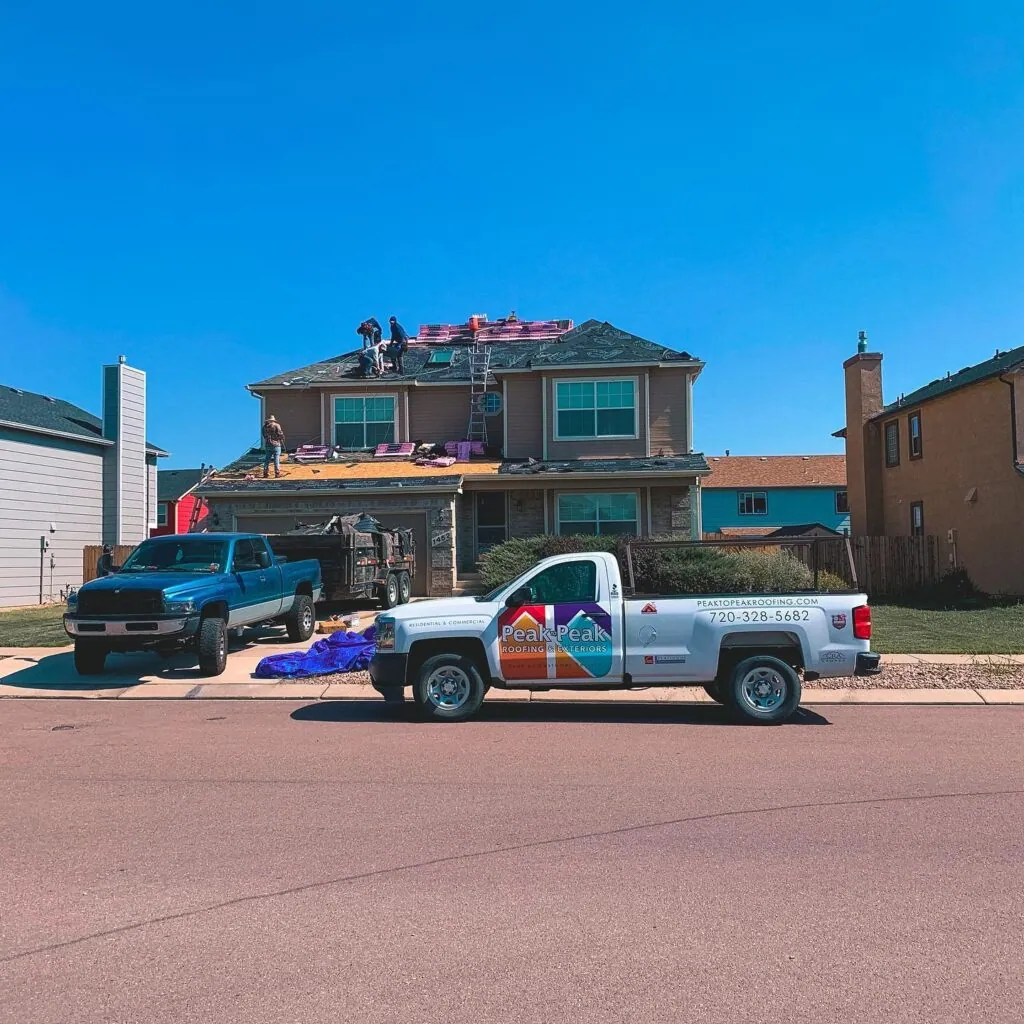
Residential Roofing
For houses with pitched roofs: asphalt or impact-rated shingles and metal, installed over a sound deck with flashing and attic airflow planned as one system.


Don't let Colorado's harsh weather compromise your home. We provide impact-resistant materials and layered underlayment systems designed for extreme freeze-thaw cycles.
Fast Response Team
Crews active in Denver area
Certified, Accredited, And Reviewed


Peak to Peak Roofing & Exteriors works on both houses and commercial buildings across the Denver metro, and those are different trades under one roof. Steep-slope homes use shingles or metal panels over a vented attic. Low-slope commercial buildings typically use membrane systems such as TPO, with drainage, parapets and rooftop equipment shaping the work. Start with the residential roofing services for Denver-area homes or the commercial roofing services for Denver businesses, then narrow to the specific repair, inspection, replacement or storm service below.
For houses with pitched roofs: asphalt or impact-rated shingles and metal, installed over a sound deck with flashing and attic airflow planned as one system.
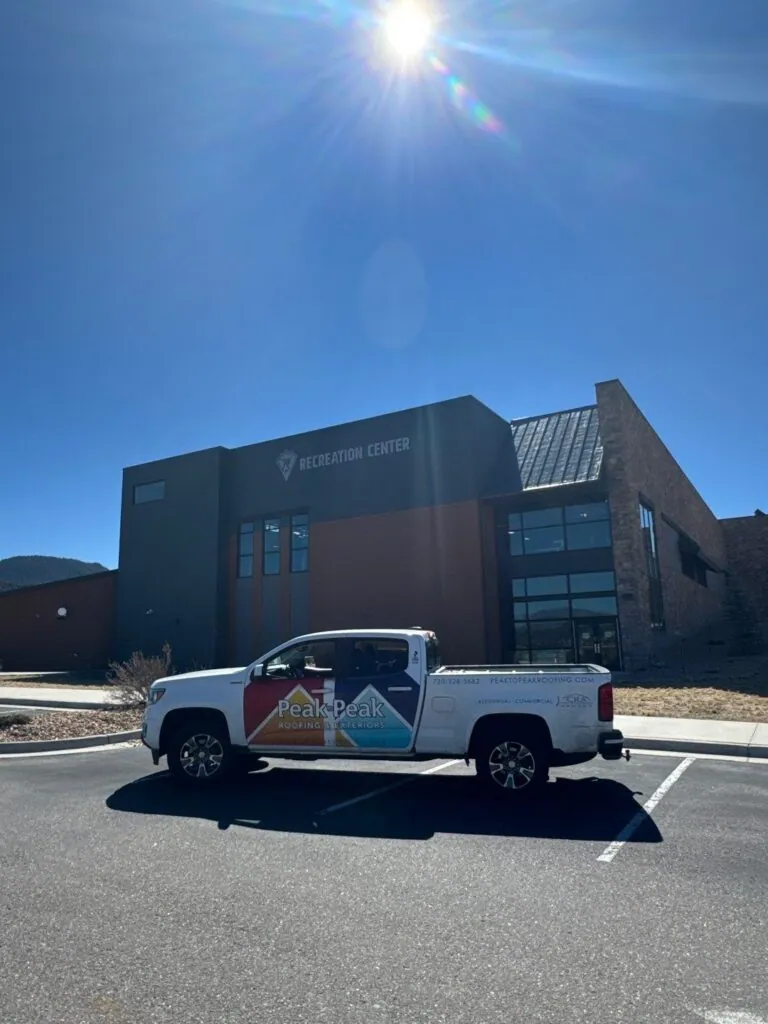
For flat and low-slope buildings: membrane systems such as TPO, with drainage, parapets and rooftop equipment scoped by people who work on commercial roofs.
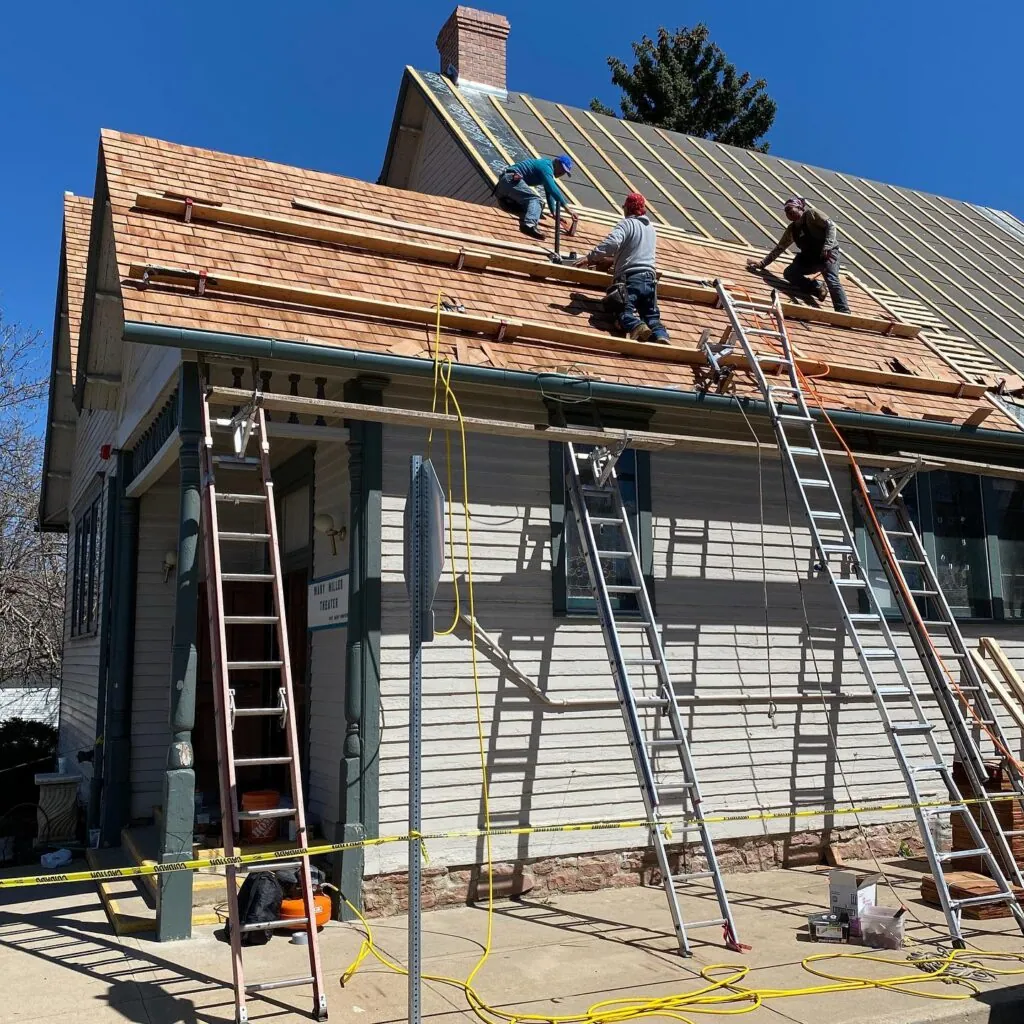
When wear is widespread or repairs keep repeating: full tear-off, deck evaluation, new roof system, required inspections and warranty registration.
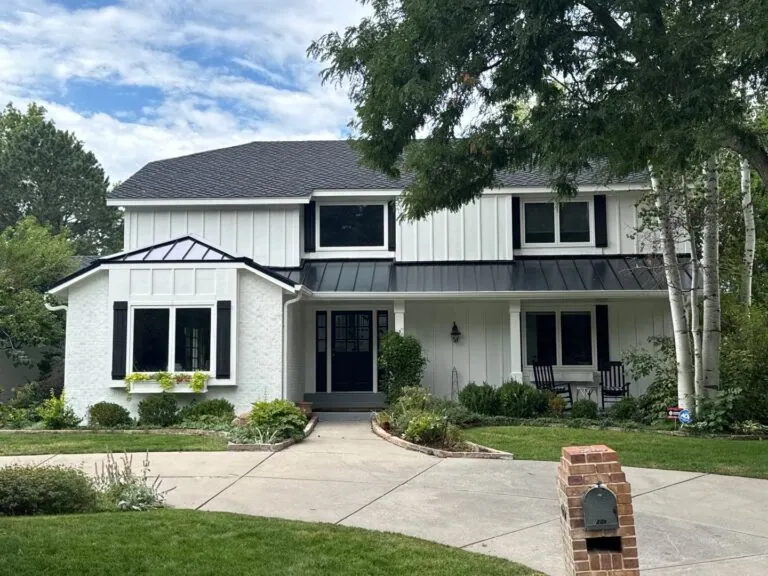
For owners planning to stay long term: standing seam and other metal panels that shed snow well and can be chosen with impact ratings for hail country.
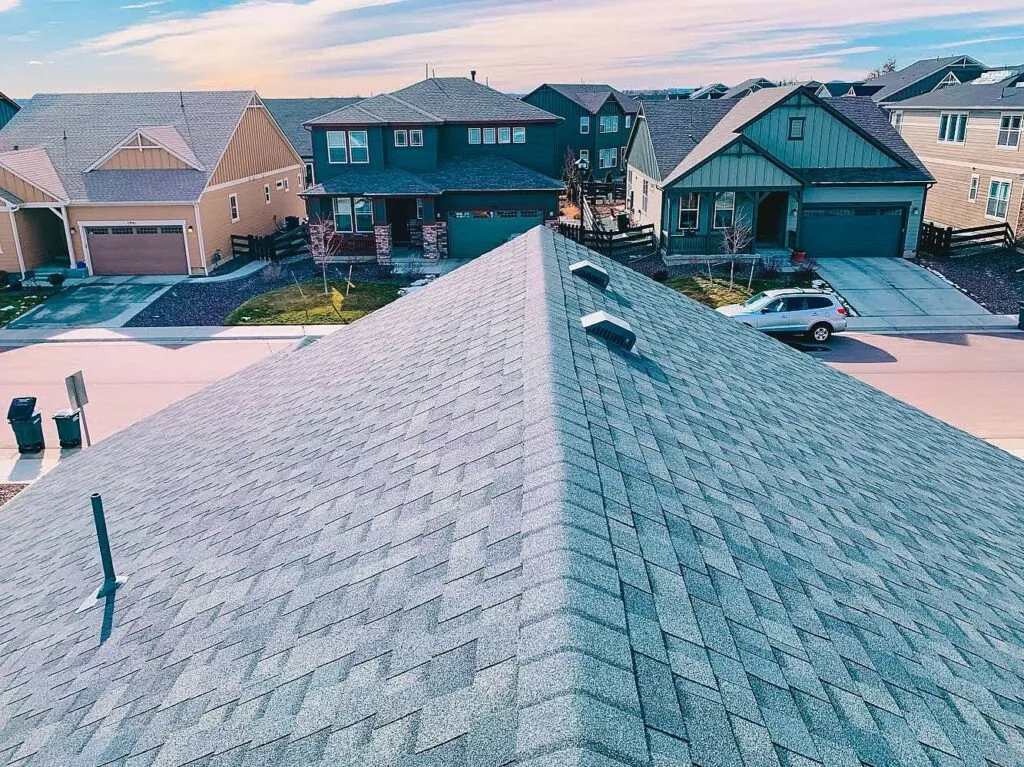
When the problem is local: a leak, missing shingles or a failed flashing detail, traced to the source and fixed without replacing a roof that still has life left.
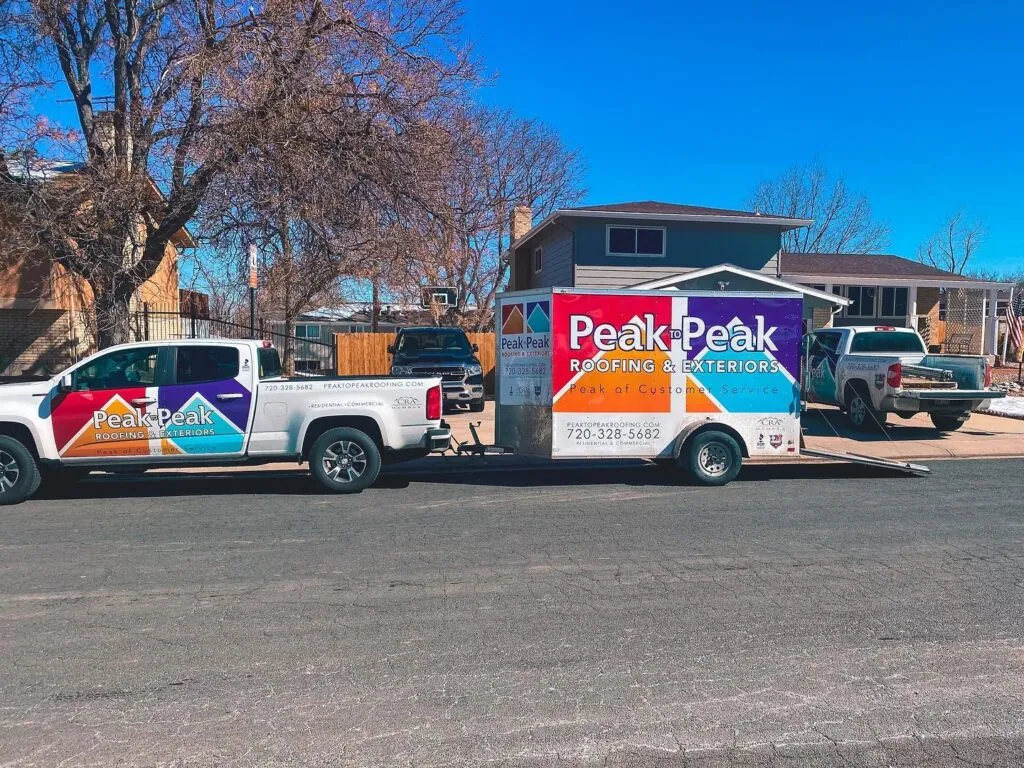
When you need facts first: a dated photo report of every slope for a storm, a home sale, an insurance question or simply a roof you have not looked at in years.
Each question below points to the one part of our company built to answer it, so you can go straight to the right roofing or exterior service.

Field guidance informed by the roofing standards and service approach of JJ Hedden, owner of Peak to Peak Roofing & Exteriors. About JJ
JJ Hedden's field tipJJ Hedden's field tipJJ Hedden's field tipJJ Hedden's field tipJJ Hedden's field tipJJ Hedden's field tipJJ Hedden's field tip| Fan-out question | Related entity | JJ Hedden's field tip |
|---|---|---|
| Am I replacing shingles on a single-family house? | Residential steep-slope roofing | House roofs are a system of deck, underlayment, flashing and attic venting, so start with our residential roofing contractor services for Denver homes before comparing shingle brands. |
| Is my building flat or low-slope with rooftop units? | Commercial membrane roofing (TPO) | Low-slope buildings need drainage, parapet and membrane expertise, which is why property managers start with commercial roofing for Denver-area businesses rather than a house roofer. |
| Who checks that a roofer is legitimate? | Contractor vetting and local registration | Colorado has no statewide roofing license, so local registration, insurance certificates and track record matter. Our guide to choosing a Colorado roofing contractor lists what to request. |
| Did a hailstorm just hit my property? | Storm damage insurance claims | A roofer documents damage and meets the adjuster, while coverage stays your insurer's call. See how our hail damage insurance claim documentation process works. |
| Is water coming through a ceiling right now? | Leak detection and repair | Most leaks trace back to a flashing or penetration detail, not the open roof field. Schedule roof leak detection and targeted repair before stains spread. |
| Do I need a condition report before buying or selling? | Professional roof inspection | A written inspection with dated photos gives buyers, sellers and adjusters the same facts. Book a photo-documented roof inspection with written findings. |
| Is runoff damaging fascia, siding or the foundation? | Whole-home exteriors and water management | Roofs shed water to the gutters, so undersized or leaking gutters undo good roofing. We also install seamless gutters sized for Front Range storms. |
General guidance only. Verify registrations, insurance and warranty terms for your specific project and jurisdiction.
Expect your roofer to show you what they found, explain it, and put the price and scope in writing. Colorado has no statewide roofing license, so ask for local registrations, insurance certificates and a track record. Our guide to selecting a roofing contractor in Colorado covers the full checklist.
Same scope, line by line: Check that both bids list tear-off layers, decking allowance, underlayment, ice barrier, flashing and ventilation. A cheaper bid is often missing one.
Named products: Shingle or panel line, impact and wind ratings, and underlayment brand should be written down, not described as "premium."
Warranty in writing: Know which warranty is the manufacturer's, which is the contractor's workmanship coverage, and how each is registered.
Who answers afterward: A local office, a named project contact and a clear closeout packet matter more than a fast signature.
Who is on the roof: Ask whether the installers are the company's own crew or subcontractors, and who supervises the job on install day.
How payment is staged: A written schedule tied to milestones, such as material delivery and final walkthrough, protects both sides better than a large cash deposit up front.
Rose noted that her detailed estimate explained materials and costs and that the crew arrived on schedule with text updates.
Get My Free InspectionA roof works with the walls, gutters and attic around it. When a storm or a leak involves more than shingles, one contractor scoping the whole exterior avoids gaps between trades. Homeowners like Mary Jo have called us years after installation for guidance on ventilation, and we bring that same follow-through to every exterior project.
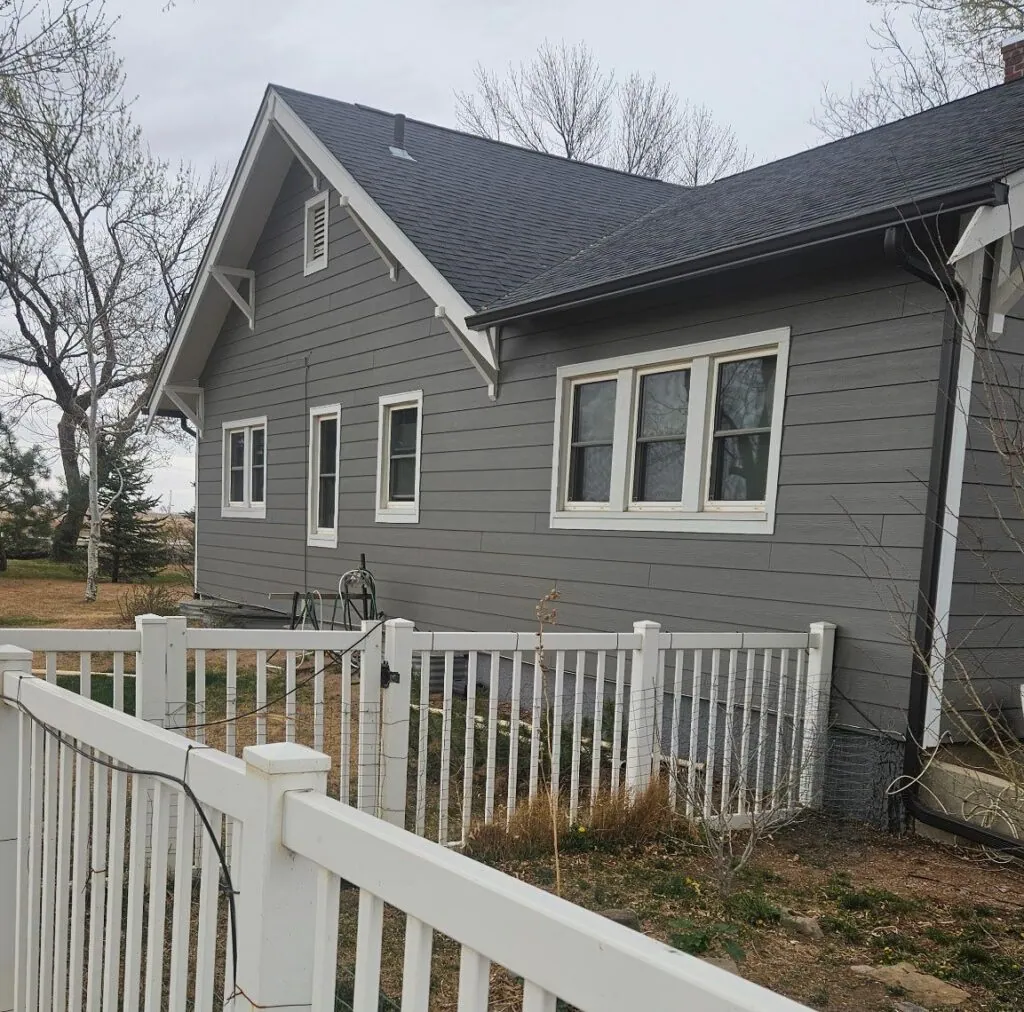
Hail that damages a roof often hits the siding too. Handling both together keeps the claim, the color plan and the wall-to-roof flashing under one scope.
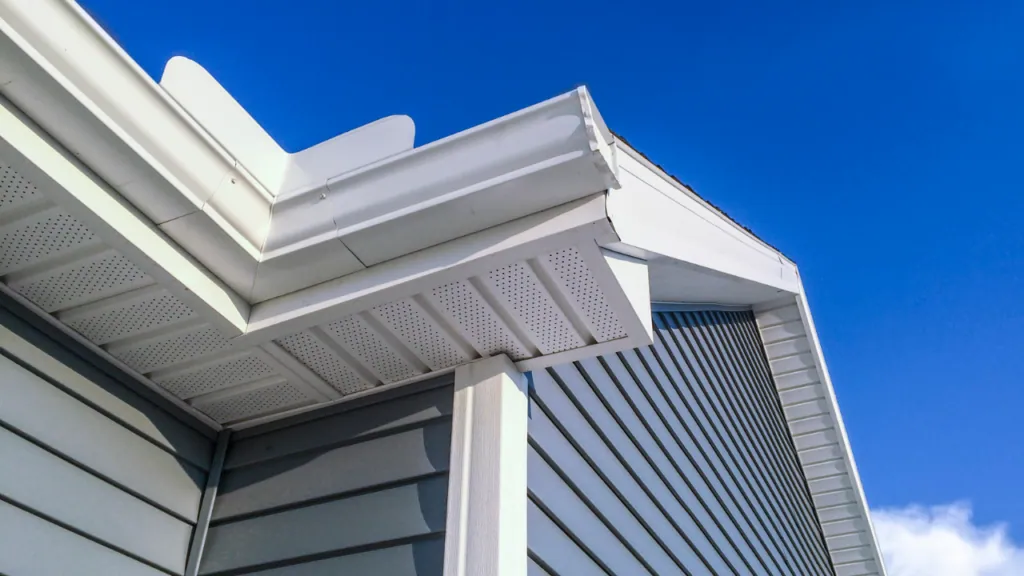
A roof sheds water and the gutters carry it away. Seamless runs formed on-site reduce joints that leak, and correct pitch keeps water off fascia and foundations.
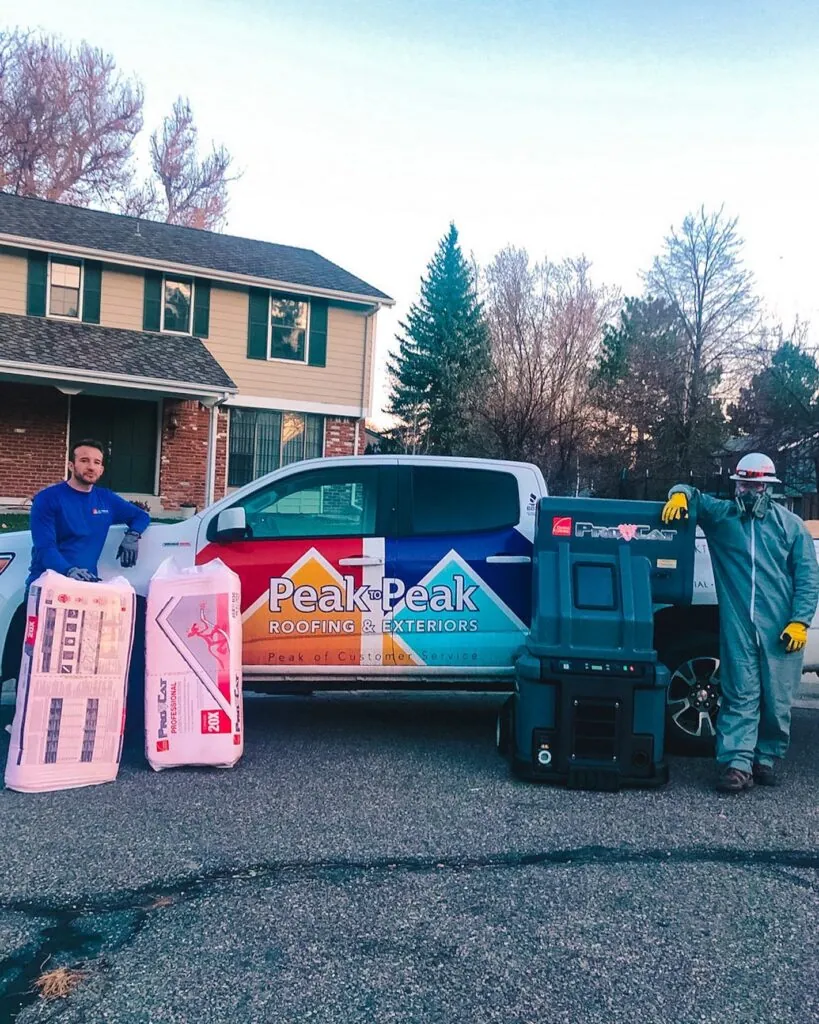
Heat escaping from the living space melts roof snow and feeds ice dams. Adding attic insulation alongside roofing work addresses the cause, not just the icicles.
A replacement decision usually comes down to the condition of the roof as a whole, not its age alone. How widespread the wear is, whether the deck is sound, whether repairs can be color matched, and whether storm damage is documented all factor in. If a recent storm is involved, a documented roof inspection before filing a claim gives you and your adjuster the same starting point.
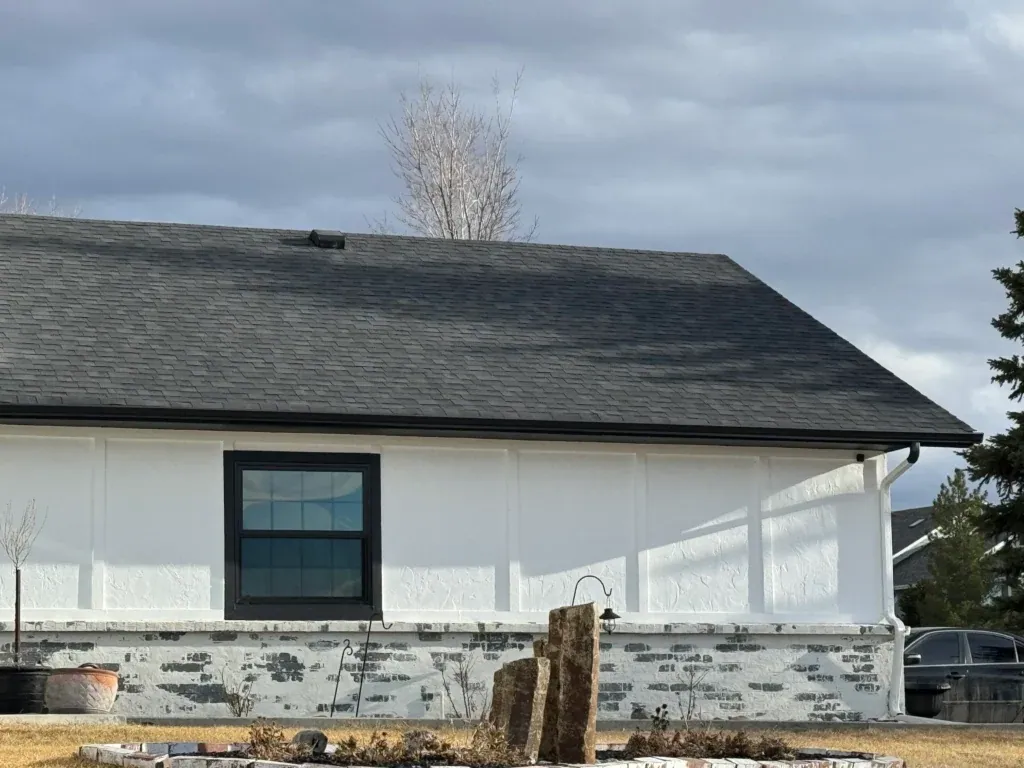
Explore our portfolio of successful projects across various industries. Each project represents our commitment to excellence and innovation.


Peak To Peak Roofing & Exteriors, LLC's Denver office helps families across Denver and nearby communities with easy access from main routes.
Peak To Peak Roofing serves homeowners and businesses throughout Denver and the surrounding areas, providing residential and commercial roofing services directly at their properties. The service area covers Denver, Aurora, Littleton, and Castle Pines, accessible via I-25, I-70, and C-470, and serving communities including Capitol Hill, Cherry Creek, Highlands, Park Hill, and Central Park. The team responds quickly to requests throughout the area, offering convenient scheduling that works around customers' availability across the entire Denver metro region.
Peak To Peak Roofing offers flexible scheduling throughout Denver and the surrounding areas, with prompt response times and appointments arranged directly at your property.
Residential and commercial roofing, storm damage, and full exterior work across the Front Range. Start with a free inspection. Zero cost, zero pressure.




4.9/5 from happy homeowners
● Inspectors Available Today in Denver
Plus, get a free upgraded underlayment on any full replacement.
"Peak to Peak was great, they helped me with a repair on my roof. Helped me to extend the life of my roof."
- Luke Howard
Free inspection, same day answers